This is my first entry in the “Climate change is…” series. I’ve heard and spoken thousands of sentences that begin with those three words. What has followed? So many things. Today, I will share a few of them followed by brief musings. In the coming weeks and months, I will return and explore some or all of them more deeply. I’ll also create new ones.
If you have an idea for “Climate change is…” leave it in the comments.
—
Climate change is a concert. Each of our lives is a line, a phrase, a solo, or part of the bridge in this beautiful, tragic, mysterious, chaotic, and heroic show. We create heard and unheard harmonies and melodies. The song we are singing now is getting heavier and more violent. How do we want it to sound?
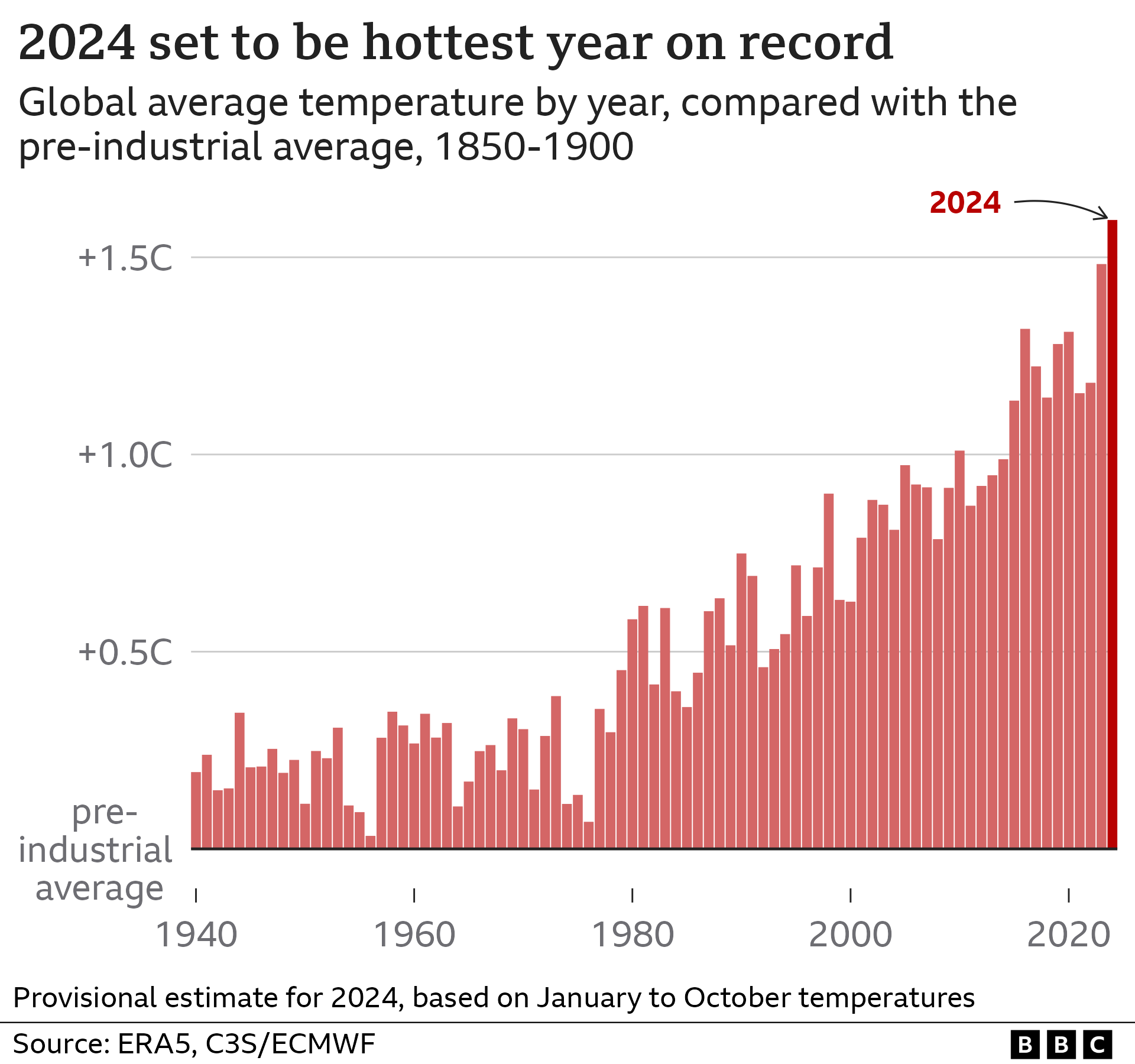
Climate change is easy to understand. Fundamentally, we know that using fossil fuels, using certain industrial processes and chemicals, transforming land, and other aspects of modern human life release greenhouse gases into the atmosphere. Incoming sunlight heats up the Earth. Some of that heat—infrared radiation—gets trapped in the atmosphere (and ocean). Heat is energy. Energy has to do work. Work creates change. We are changing the climate.
Climate change is based on old and reliable science. Humans across the planet have understood the greenhouse effect for millennia before we named it. Scientists in the 19th century began a systematic exploration of the properties of our atmosphere. By 1900, the first calculations were performed showing us what doubling carbon dioxide would do to Earth’s temperature. Today, the science is precise, yielding accurate predictions.
Climate change is political. We live in a world where individuals, communities, corporations, governments, and other parties have to negotiate who gets what, when, how, and why. If climate change touches everything, then people will have opinions about it and devise policies and programs to deal with what, if anything, should be done. Who gets to negotiate and how? What are we negotiating? What are the limits of poltics?
Climate change is possibly the worst threat among many. Over the last decade, insurance and re-insurance companies, the U.S. military and security organizations, health organizations, the United Nations, and risk groups have stated that the climate crisis is an immediate and a long-term threat to people and our world. What does climate change threaten? How do we see it in relation to other threats?
Climate change is a strategic problem. As a “hyperthreat,” a “threat multiplier,” and an “accelerant of risk,” it uses our own tendencies against us while being “invisible,” exacerbates threats that might seem separate, and speeds up every imaginable threat out there. How will governments and militaries manage emergent threats from other people?
 Peter Walks for Democracy
Everywhere you look. You can’t get away from it no matter where you go on this whole earth. And in the stratosphere too – and what about outer space? Are we having an impact there also??
“Do not be daunted by the enormity of the world’s grief. Do justice now. Love mercy now. Walk humbly now. You are not obligated to complete the work but neither are you free to abandon it.” The Talmud
LikeLike