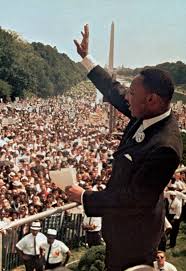
Today, I sat down and read Dr. King’s sermon on “Unfulfilled Hopes.” He invites us all to see that when we are thwarted in our goals, we have choices between “bitterness” and living with “a dynamic will.” He works from the example of St. Paul, who wanted to reach the far edge of the known world—Spain—to spread the Gospel. He never made it, dying a martyr’s death in Rome. In one possible reading, it is about unrealized dreams that can lead to resignation, bitterness, and rage. But seen another way, it is an invitation to a purposeful “dynamic will.”
We all encounter the headwinds of life, failures, and suffering. Many give in to bitterness. Some will believe that the universe and fate have wronged them and decide to fight. But the only thing to fight in the universe are the people and things in their lives. “They react with bitterness and mercilessness and meanness.” Others will withdraw, don emotional and social armor, become indifferent, and give into “a silent hate.” This reminds me of Elie Wiesel’s warning against “the indifference of bystanders.” The cruel become the assailant. The indifferent, as detached bystanders, become their assistants. Both are consumed by the poison of resentment.
Through example after example of personal tragedies and pains, he points us toward a “more creative way” which is “the exercise of a great and dynamic will.” John Milton wrote Paradise Lost and Paradise Regained when he was blind. Helen Keller persevered beyond the cell of blindness and deafness to realize “inner sight.”
King attended a commencement in Little Rock, just one of a small group of Black individuals permitted to join. When a young man with a severe physical disability walked with assistance onto the stage to receive his diploma, he was met with “noises and shouts and cheers…no athlete that had ever played out there in that field, in that stadium…had never gotten cheers like this boy got.” He recognizes those who suffered through the torment of enslavement and gave so much. There are generations of Black scientists, poets, and leaders. “If they had withdrawn and turned to silent hate,” King says, “the power that inspired generations wouldn’t have come. But it came because of the creativity of the will and the dynamic quality of it, and the determination to stand up, amid all of those forces, amid all of the darkness of human circumstance.”
As individuals, as families, as communities, and as a nation, we face headwinds today. There are those who are living in communities that inherited the generational inequity of racism. How many of us have been abused or assaulted? In the last six months, residents of Florida, North Carolina, and California are experiencing the violence of human-caused climate change. Today, January 20, 2025, the United States inaugurates Donald Trump as its 47th President, a man with a well-documented history of race-baiting, of giving comfort to racist militias, of sexually assaulting E. Jean Carroll, and denying not only the reality of climate change but eagerly looking forward to exacerbating it. These are very troubled times.
We can lash out. We can retreat. Or we can work together with a dynamic will.
“Discover this,” he says. “Go out anew into the experiences of life. I assure you that you will meet your Spain, in the sense that you will never get there. You might get to your Rome as a prisoner, not as a free man. But if you have the power and the dynamics of a human will, nothing in all this world can stop you. Why? Because you refuse to be stopped. You have the dogged determination to exist and the courage to be.”
 Peter Walks for Democracy
You are one of the people that keep me persevering. So thank you for that meditation, and please keep up the good work – a lot of us depend on you for inspiration! Joan XXOO
Sent from AOL on Android
LikeLike